News
News
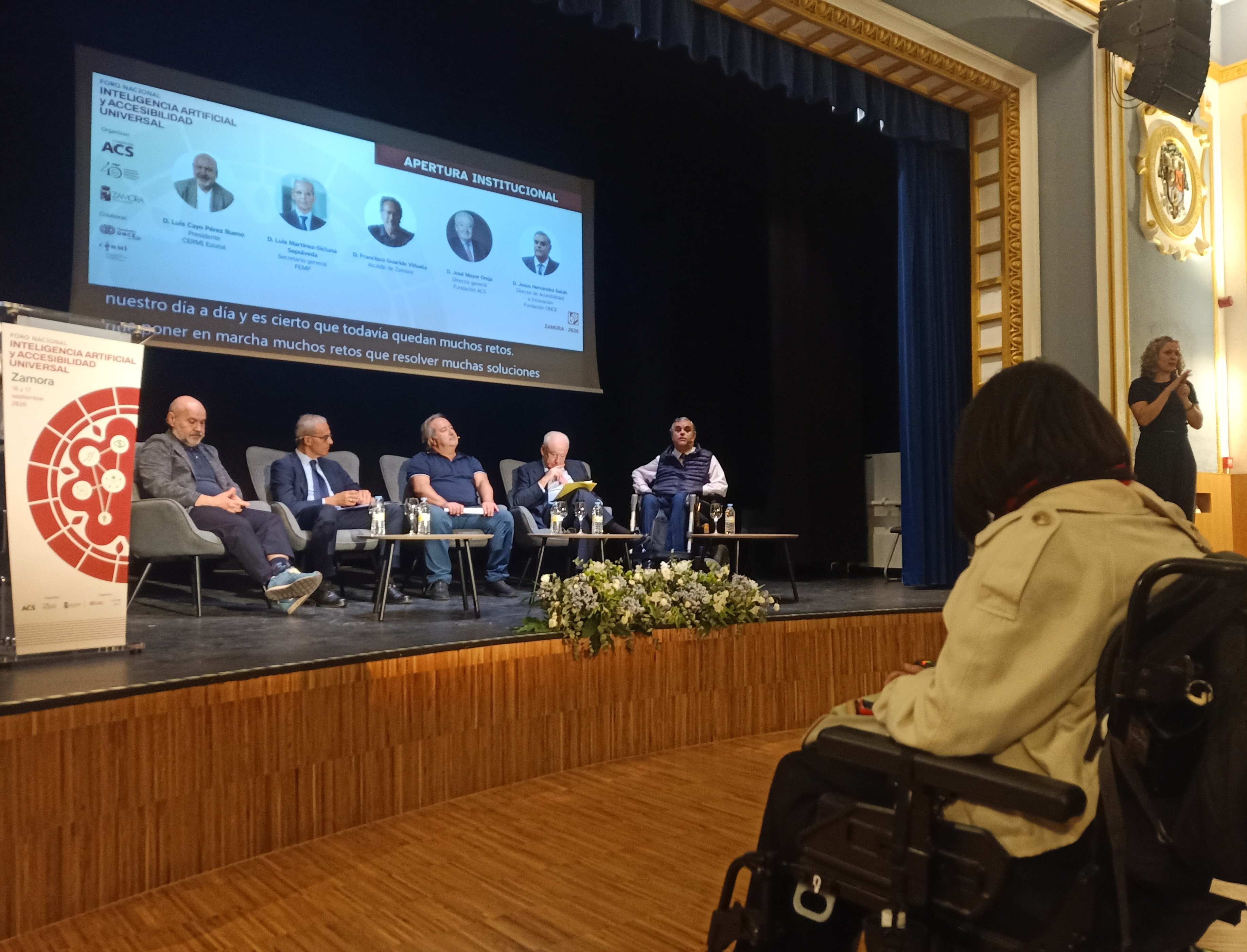
On 16 and 17 September, the city of Zamora hosted the National Forum on Artificial Intelligence for Inclusion and Universal Accessibility in Municipalities, organized by the Spanish Federation of Municipalities and Provinces (FEMP) and the Zamora City Council, with the collaboration of ACS Foundation, CERMI and ONCE Foundation.
The opening ceremony was attended by Francisco Guarido Viñuela, Mayor of Zamora; Luis Martínez-Sicluna Sepúlveda, Secretary General of the FEMP; Luis Cayo Pérez Bueno, President of CERMI; Jesús Hernández Galán, Director of Accessibility and Innovation at ONCE Foundation; and José Mayor Oreja, Director of ACS Foundation.
Representatives of public administrations, third-sector organizations, technology companies, experts and persons with disabilities shared experiences, identified challenges and opportunities, and promoted the development of innovative solutions that place inclusion and the rights of persons with disabilities at the centre of digital transformation.
The meeting concluded with the reading of the Zamora Declaration, open to all city councils to reaffirm their commitment to a technological transformation at the service of people, their rights and the improvement of public services.
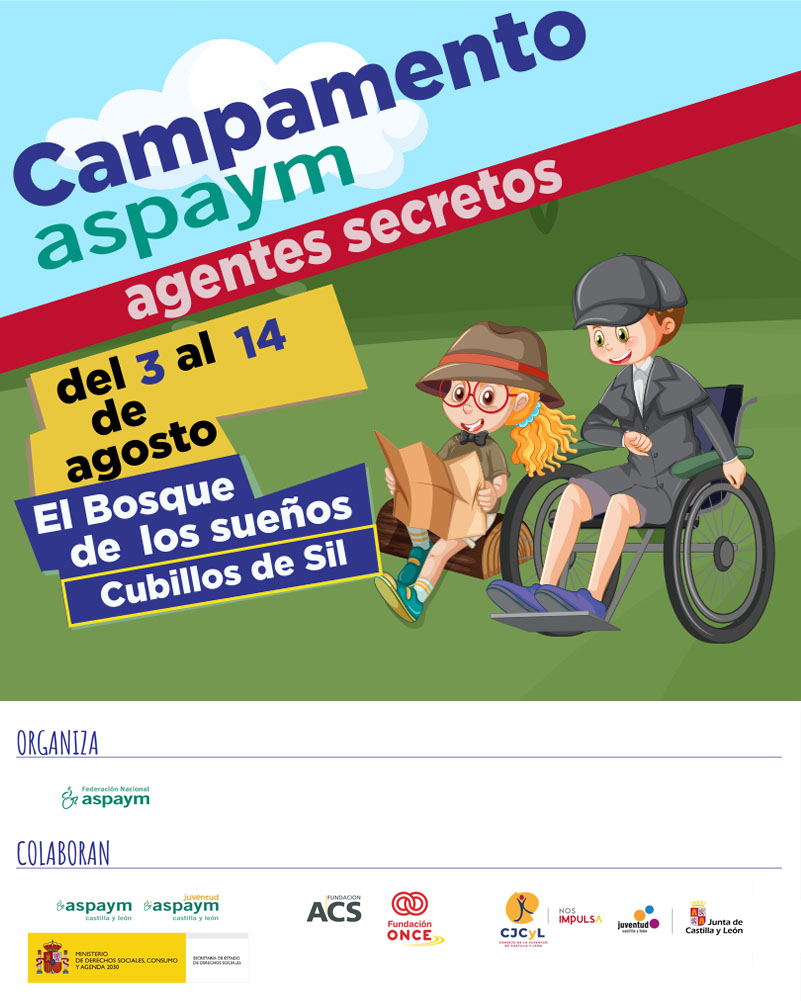
Between August 3 and 14, the 29th edition of the Aspaym Summer Camp took place in Cubillos de Sil (León), organized by the National Federation of Aspaym and the Royal Board on Disability, with the collaboration of ACS Foundation, ONCE Foundation, and other institutions.
More than 120 children, with and without disabilities, from all over the country, enjoyed inclusive activities and dynamics alongside about thirty camp counselors at the accessible facilities of El Bosque de los Sueños. The common theme for all the games and activities in this edition was "secret agents".
Treasure hunts, games, and team-building dynamics fostered autonomy, cooperation, and respect for diversity among all participants, contributing to the right of people with disabilities to enjoy recreational and leisure activities.
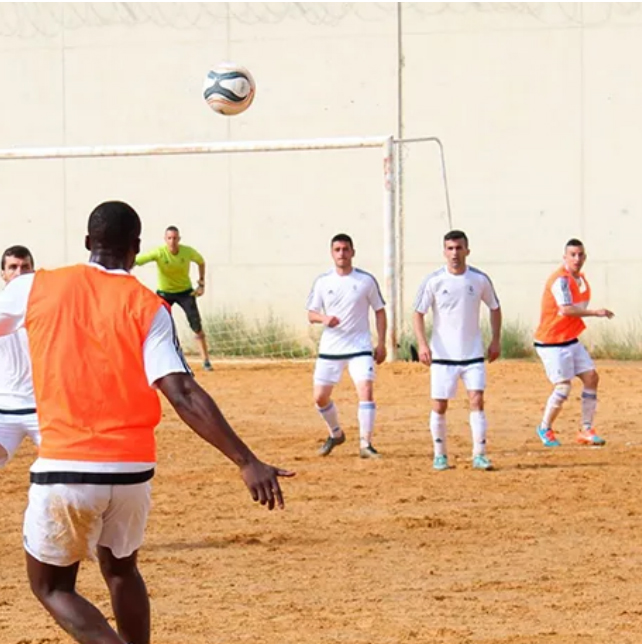
During the 2025-26 season, more than 1,500 people at risk of social exclusion have benefited from the 30 sports projects in penitentiary centers across Spain, promoted by the Real Madrid Foundation in collaboration with the Ministry of the Interior and the Horizontes Abiertos Foundation, and with the support of ACS Foundation.
Using sport as a tool, these socio-sports projects promote healthy lifestyle habits and contribute to the development of personal and social skills that are essential for coexistence and the future integration of the participants. Through weekly football and basketball training sessions based on the methodology "For a REAL Education: Values and Sport", inmates work on values such as respect, responsibility, effort, equality, and teamwork.
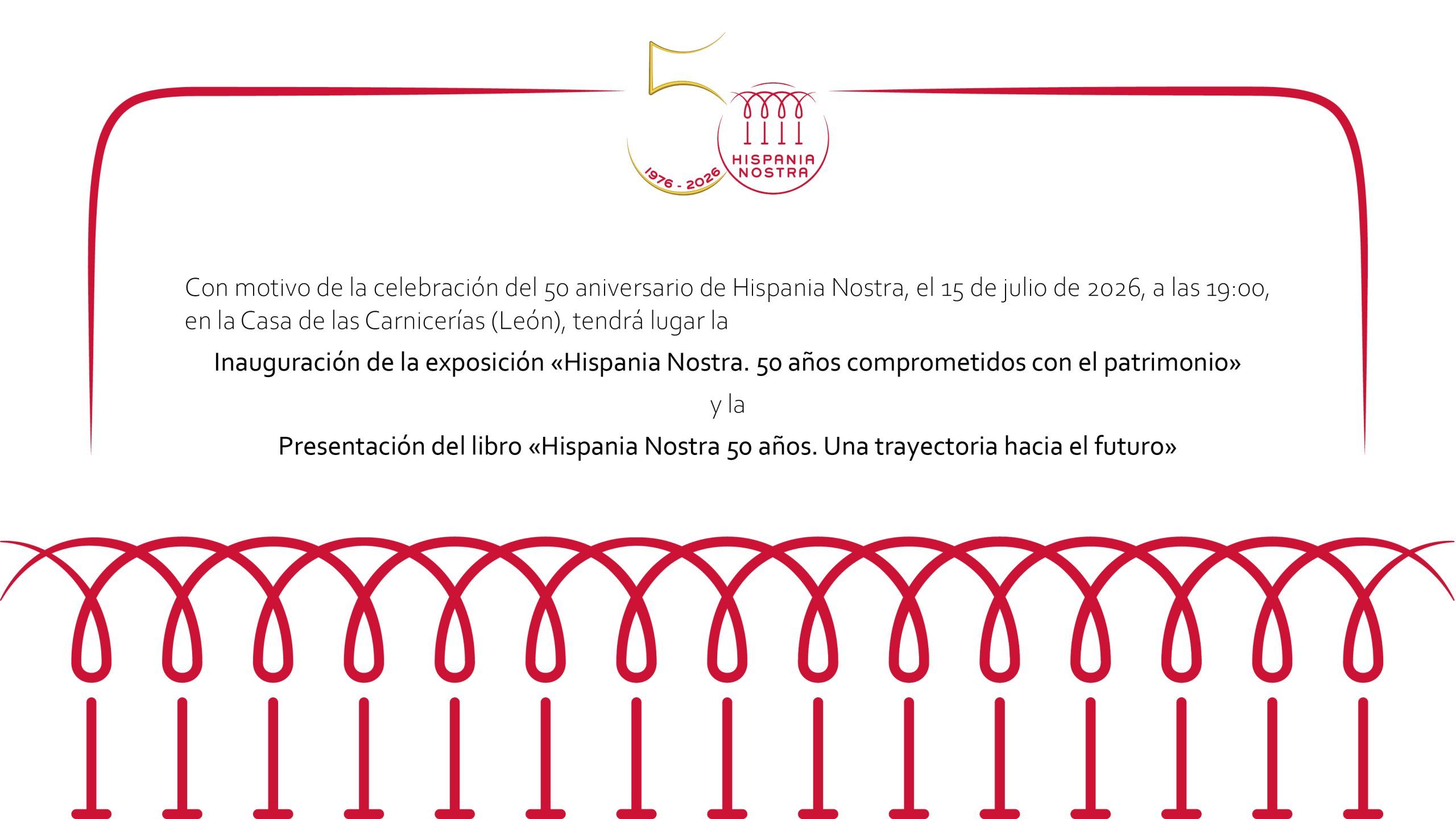
On July 15, 2026, the commemorative exhibition for the 50th Anniversary of Hispania Nostra was inaugurated at the Casa de las Carnicerías in León, and the book that reviews half a century of Hispania Nostra's work in defending and conserving Spain's cultural and natural heritage was presented.
The exhibition was previously available in April at the Official College of Architects of Madrid (COAM) and now begins a traveling tour through different locations across the country, as part of the outreach activities to highlight Hispania Nostra's ongoing efforts to safeguard our heritage and the need for social participation in its conservation.
The exhibition, which can be visited until the end of August at the Casa de las Carnicerías (Plaza de San Martín 11, León, Spain), has been made possible thanks to the collaboration of ACS Foundation and Acción Cultural Española (AC/E).
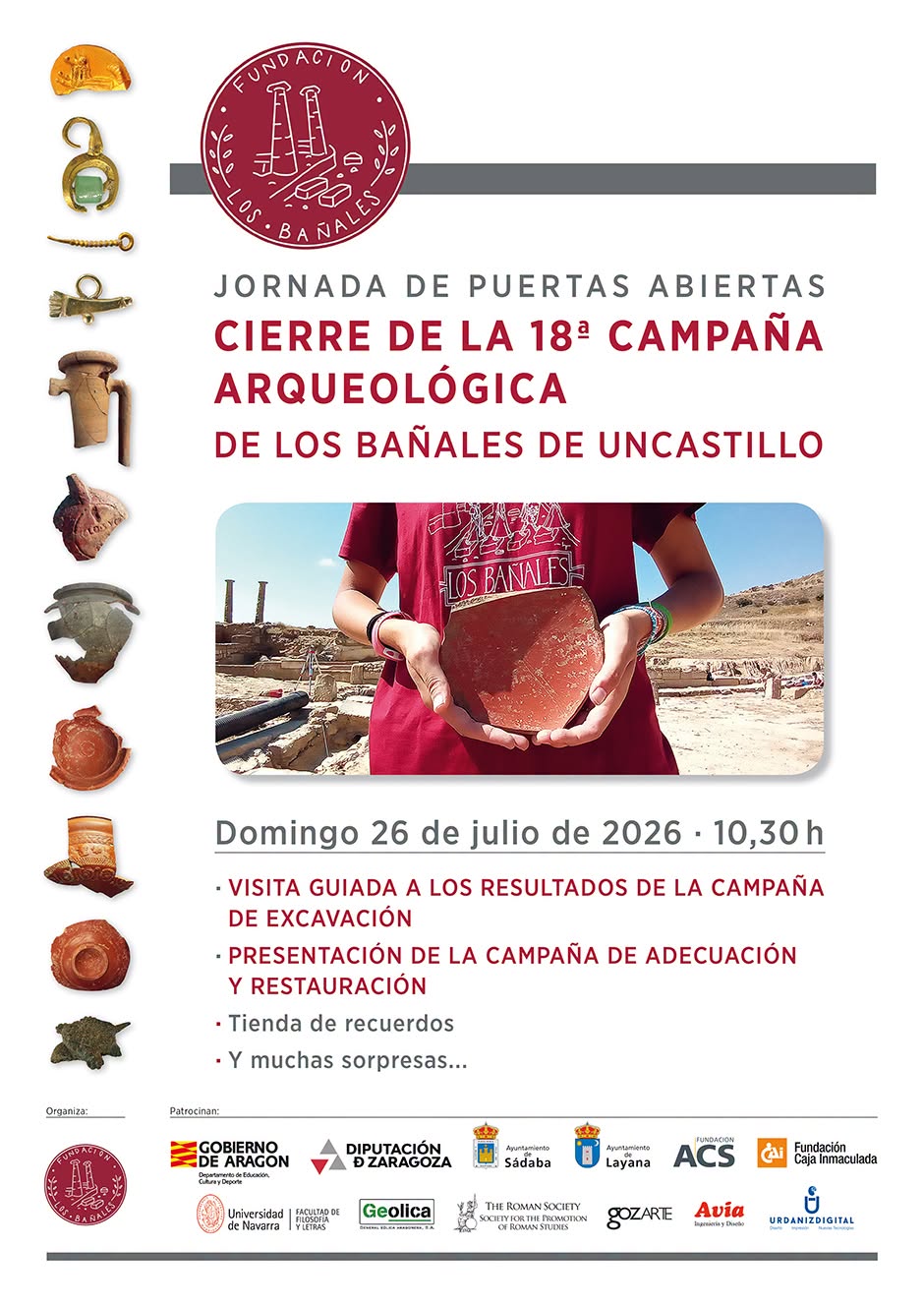
In the ancient Roman city of Los Bañales, located in the region of Cinco Villas, about 100 kilometers from the city of Zaragoza, the 18th Archaeological Campaign is concluding this July. These annual campaigns of archaeological excavation, protection, restoration, and study of the Roman city of Los Bañales de Uncastillo bring together students and expert researchers in Roman archaeology from multiple nationalities.
Among the notable finds of this 2026 campaign are a kiln for producing tiles and glass from the early Imperial period (1st to 3rd century AD), as well as a bone pendant and a lunula (crescent-shaped amulet) discovered in the city's northern decumanus (east-west main street). These findings, along with the excavation progress, will be presented to the public through two activities:
- A guided tour of the site led by the scientific director of the archaeological project, Javier Andreu, to be held on Saturday, July 18 at 9:30 AM.
- An Open Day, which will take place on Sunday, July 26 at 10:30 AM.
Both activities will serve as the closing events for the 18th Archaeological Campaign and are part of the program of activities for the dissemination and promotion of Roman heritage in the Cinco Villas territory. They are organized by Los Bañales Foundation, with the support of the Government of Aragon, the Provincial Council of Zaragoza, the City Councils of Sádaba and Layana, the University of Navarra, and ACS Foundation, among others.