News
News
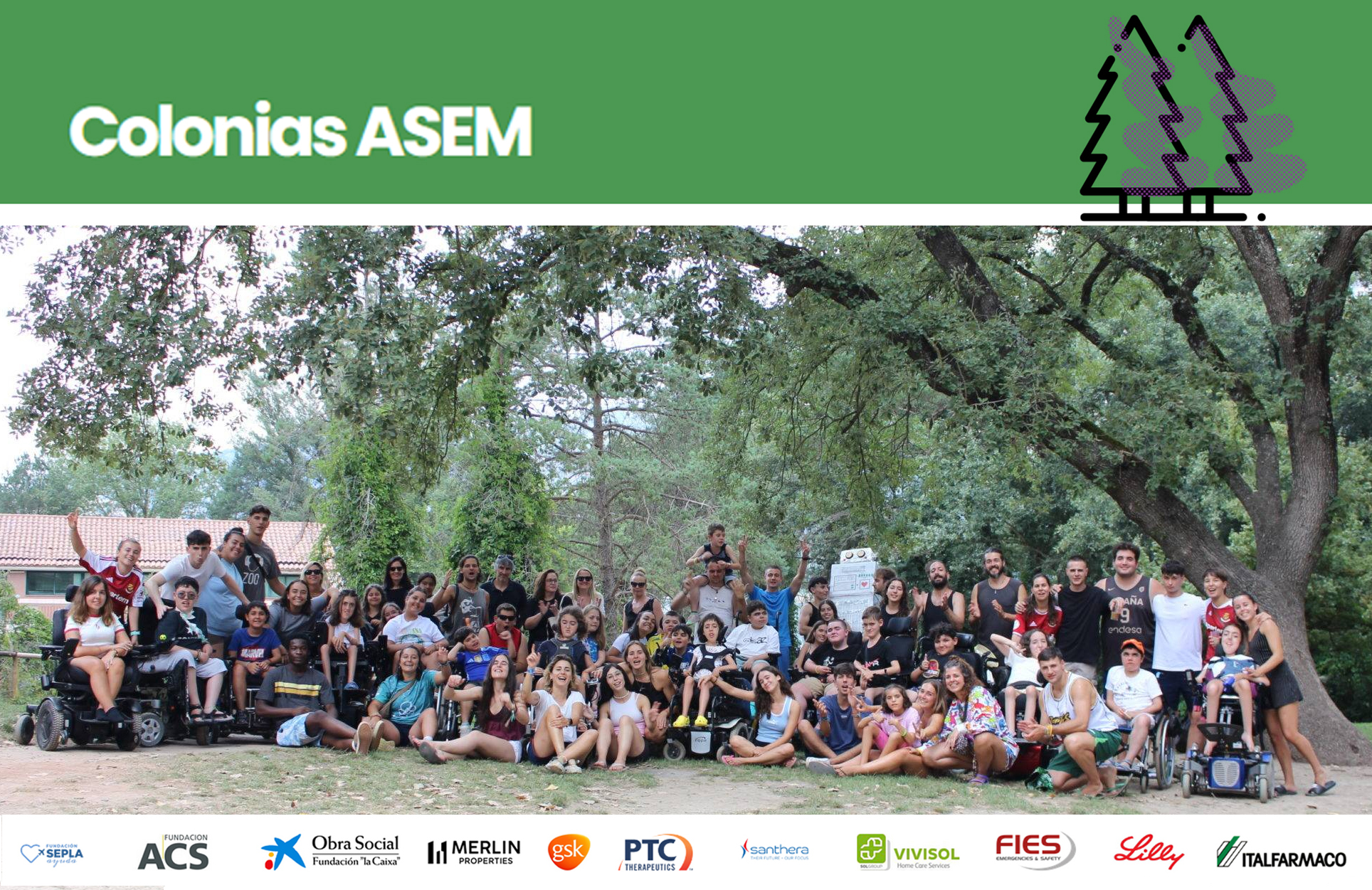
The Spanish Federation of Neuromuscular Diseases (Federación ASEM), in collaboration with ACS Foundation and other institutions, organized a new edition of the ASEM Summer Camps between July 5 and 12. This summer camp is aimed at children and young people with and without neuromuscular diseases.
The camp took place at La Cinglera holiday camp in Vilanova de Sau (Barcelona), a fully adapted natural environment designed to promote autonomy, participation, and coexistence. For one week, 30 children between the ages of 8 and 18 were supported by a team of 25 camp counselors and healthcare staff, ensuring care tailored to each participant’s needs.
The ASEM Summer Camp is the only camp in Spain that brings together children and young people with neuromuscular diseases each year, offering them a unique experience on equal terms.
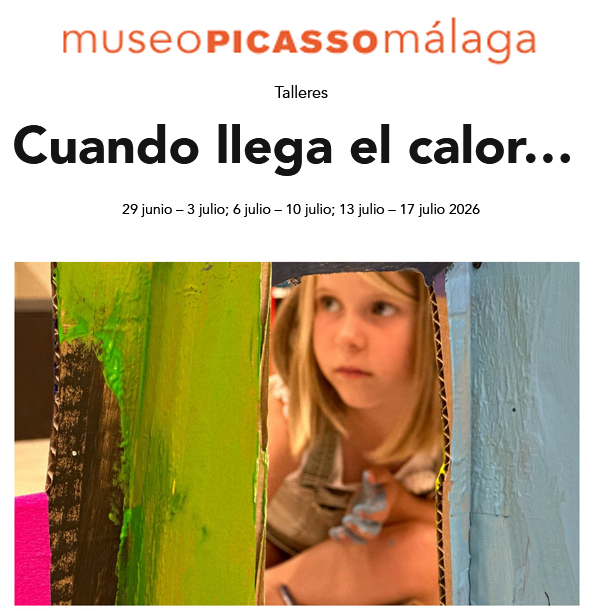
During July 2026, the Picasso Museum Málaga, in collaboration with ACS Foundation, is offering various summer workshops and activities for children under the title When the Heat Arrives…
Through fun and innovative proposals, children can explore different artistic disciplines from an open and flexible perspective, where curiosity and creativity take center stage. Working with the concept of Picasso and other artists regarding the "found object" or "objet trouvé," children will experiment freely with a wide range of artistic techniques and materials.
The activity is organized into three weekly sessions from June 29 to July 17 and will take place in the Education Classroom of the Picasso Museum Málaga.
Photo: Museo Picasso Málaga
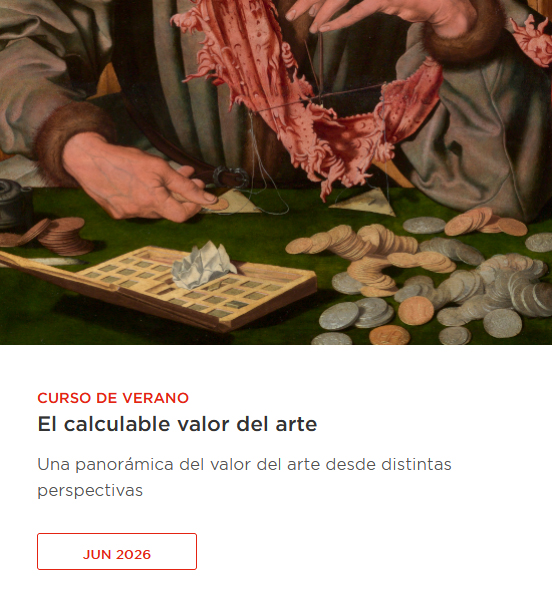
Today marked the opening of the summer course organized by the Fundación Amigos del Museo del Prado, in collaboration with the Complutense University of Madrid and the ACS Foundation, under the title "The Calculable Value of Art."
The Prado Museum's auditorium host, on June 30, July 1 and 2, a program focused on cultural heritage and its economy, covering topics such as the art market, forgeries, the value and price of artworks, and investments in public heritage.
Notable participants include Noah Charney, art historian and founder of the Association for Research into Crimes against Art (ARCA); Estrella de Diego, Professor of Art History at the Complutense University of Madrid; Juan José Águila Navarro, Captain of the Civil Guard and Head of the Historical Heritage Section; Víctor Cageao, Director of the Royal Collections of Patrimonio Nacional; Alberto Pancorbo, art historian; and collector Juan Várez, who will offer his perspective on the old master paintings market.
Full program here
© Photo: Fundación Amigos del Museo del Prado
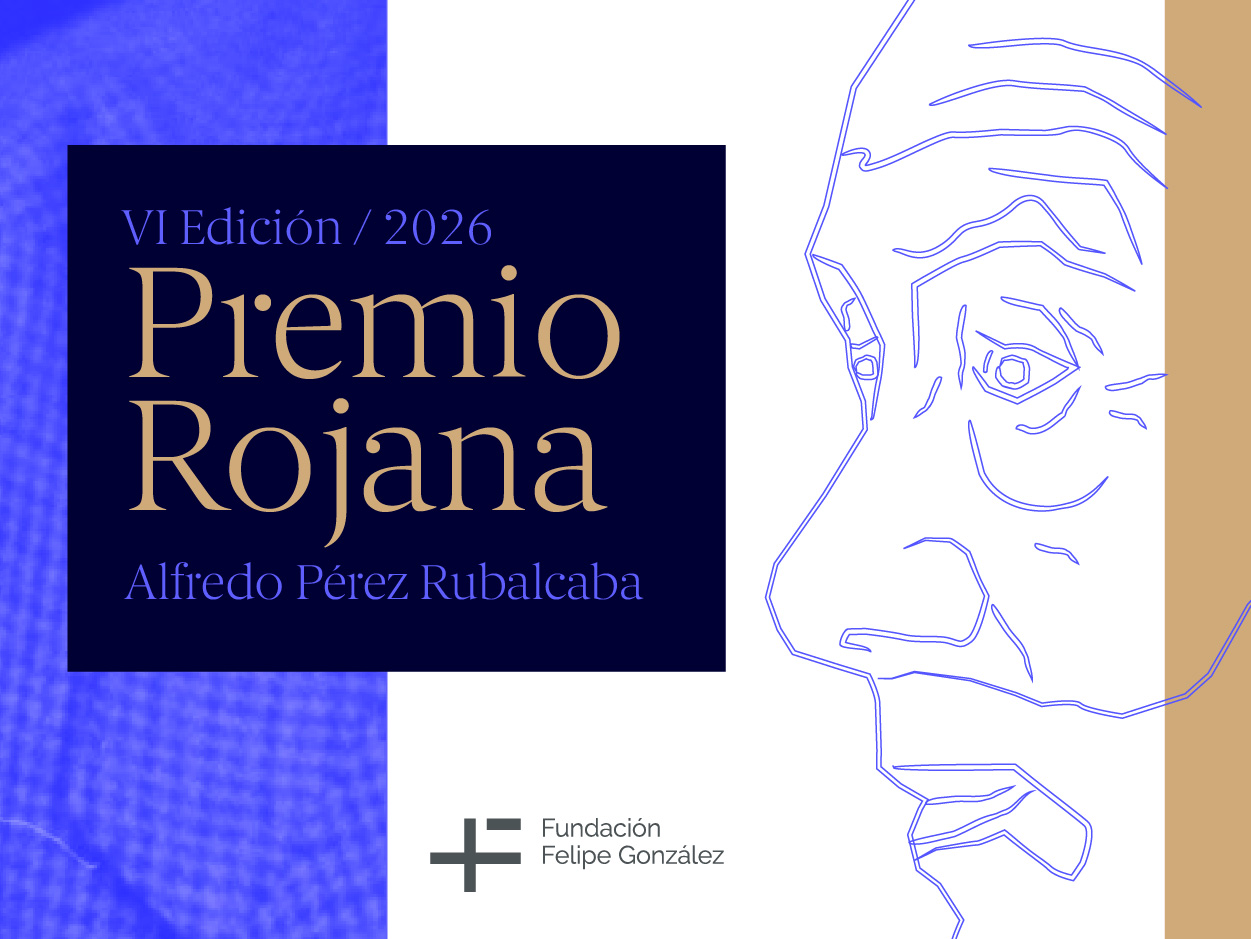
On June 25, the Fernando Buesa Foundation received the VI Rojana Award "Alfredo Pérez Rubalcaba" in recognition of its exemplary work in favor of a culture of peace, democracy, and social progress. The award was presented during a tribute ceremony to Alfredo Pérez Rubalcaba, held in the gardens of the Residencia de Estudiantes in Madrid (Spain).
The work of the awarded organization focuses on contributing to the knowledge and dissemination of the political thought of Fernando Buesa —a deputy assassinated by the terrorist group ETA— which, according to the jury, was based on his commitment to social progress, the pursuit of peace, and the defense of pluralism.
The jury of the VI edition of the Rojana Award was chaired by Elena Valenciano and included among its members previous winners, such as the president of the PSOE-M, Paca Sauquillo, and the biologist Miguel Delibes.
These awards, which recognize commitment, dialogue, and harmony, are granted by the Felipe González Foundation and receive support from ACS Foundation, among other institutions.
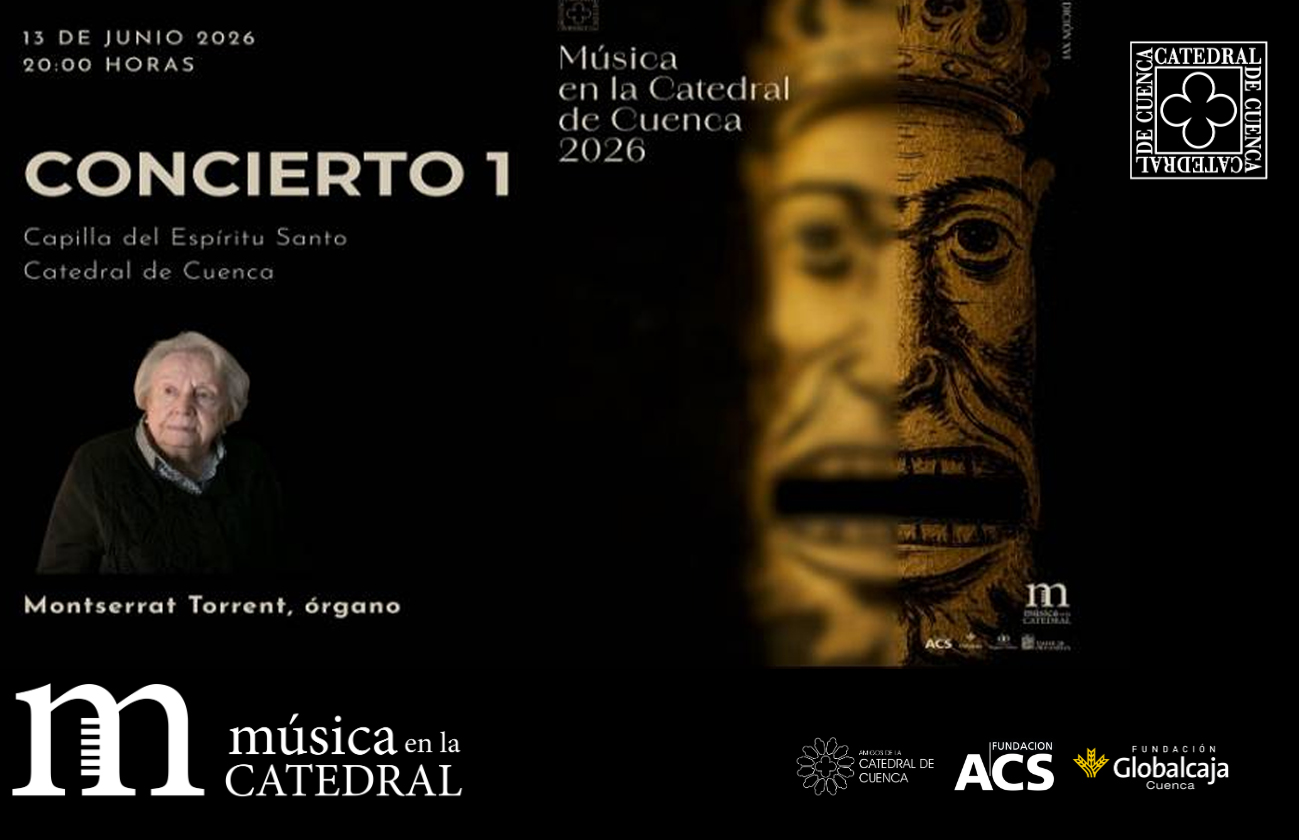
On June 13, the 16th Edition of the Organ Music Festival "Music in the Cathedral" was inaugurated at the Cuenca Cathedral. The festival includes eleven concerts and two educational workshops, and has become a national and European reference in the performance and study of the Iberian organ.
The opening day featured the presentation of the book Secretum: A Journey through the Organs of the Cathedrals of Spain by Carmen Díaz Baruque, as well as a concert by Montserrat Torrent with the program This Year…ONE HUNDRED.
The programming will continue with concerts by Wolfgang Zerer on August 19, Victor Baena on August 21, participants of the Baroque Organ course on August 22, Victor Perea and Héctor Guerrero on August 26, Javier Artigas on August 28, participants of the Online Organ Academy on August 29, Lionel Avot and Mineko Kojima on September 12, A2 Duo on September 26, Petra Žďárská and Lucie Žáková on October 17, and Carlos Arturo Guerra Parra and Llorenç Barber on October 24.
The academic activities complementing the programming are the Baroque Organ Interpretation course from August 19 to 22, taught by Wolfgang Zerer, and the Online Organ Academy course from August 26 to 30 with Carlos Arturo Guerra Parra and Lucie Žáková.
This annual event is promoted by the Cuenca Cathedral and designed by the titular organist Carlos Arturo Guerra Parra and the harpsichordist and organist Lucie Žáková, and is supported by ACS Foundation.