News
News
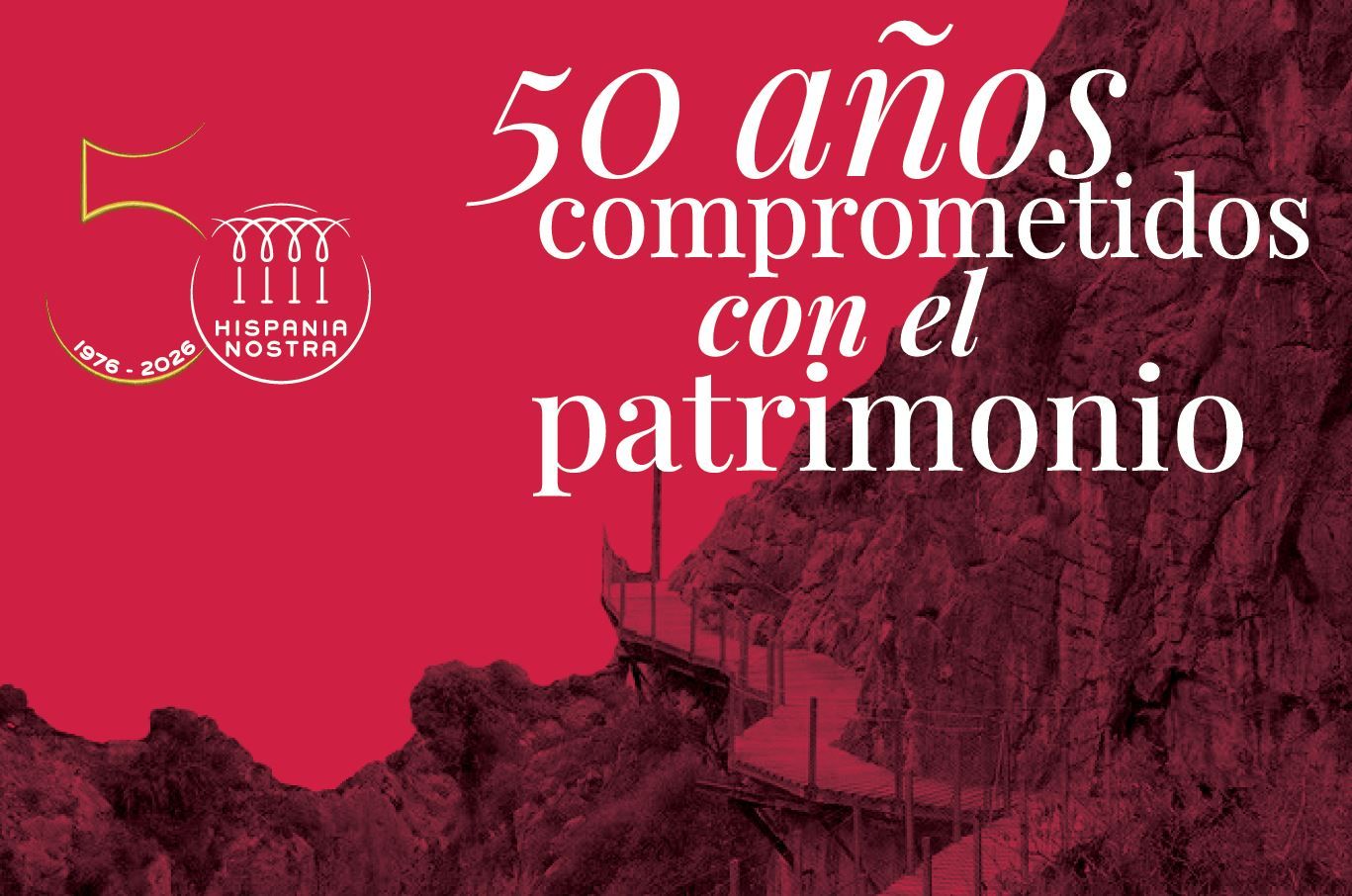
On April 28, the exhibition "Hispania Nostra – 50 Years Committed to Heritage"; was inaugurated at the headquarters of the Official College of Architects of Madrid (COAM) to mark five decades of continuous work (1976–2026) in favor of the protection and defense of cultural and natural heritage.
The exhibition offers a journey through the institution's origins and its territorial structure, as well as its areas of work, including best practices, recognitions, the Red List and the Green List, the heritage education program, the crowdfunding program, and its volunteers and collaborators.
The opening ceremony was attended by Araceli Pereda, President of Hispania Nostra; Ernest Urtasun, Minister of Culture and Sports; Sigfrido Herráez, Dean of COAM; Inmaculada Ballesteros, Director of ACE; Antonio García Ferrer, President of the ACS Foundation; and José Mayor Oreja, Director of the ACS Foundation.
With the support of ACS Foundation and Acción Cultural Española, the exhibition will remain open throughout the month of May at COAM (C/Hortaleza 63, Madrid) and will later travel to other Spanish cities.
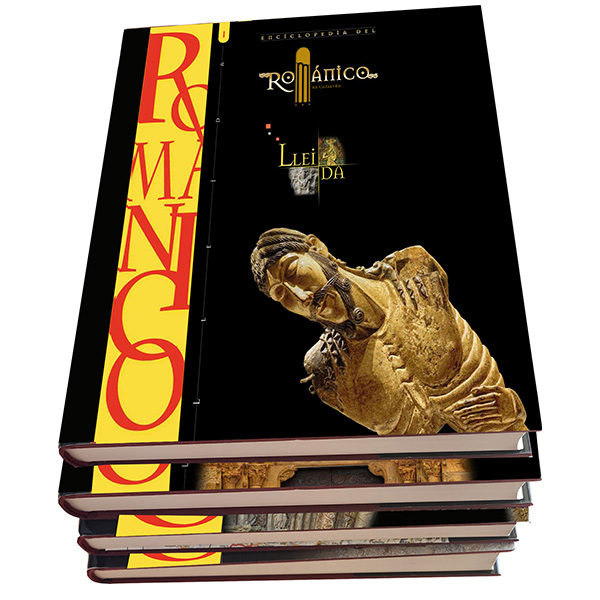
Within the framework of the collaboration agreement between the Fundación Santa María la Real del Patrimonio Histórico and ACS Foundation, the volumes dedicated to the province of Lérida, which are part of the Encyclopedia of Romanesque Art in the Iberian Peninsula, have been published.
The work, structured in four volumes, presents the results of an exhaustive cataloguing and analysis of the Romanesque heritage preserved in the province. More than sixty specialists—including historians, architects, photographers, and graphic designers— have participated in its production, studying nearly 1,000 Romanesque testimonies. Each of these is accompanied by its corresponding historical-artistic study and documented with over 40,000 photographs and approximately 1,000 floor plans.
The contents are organised by county (Volume I: introductory articles and the counties of Alt Urgell, Cerdanya, and Vall d'Aran; Volume II: Alta Ribagorça, Pallars Sobirà, and Pallars Jussà; Volume III: Solsonès, Noguera, Pla d'Urgell, and Garrigues; Volume IV: Segrià, Segarra, Urgell, general bibliography, and onomastic and toponymic indices) and aim to serve as a reference for preserving the historical and artistic richness of the province of Lérida.
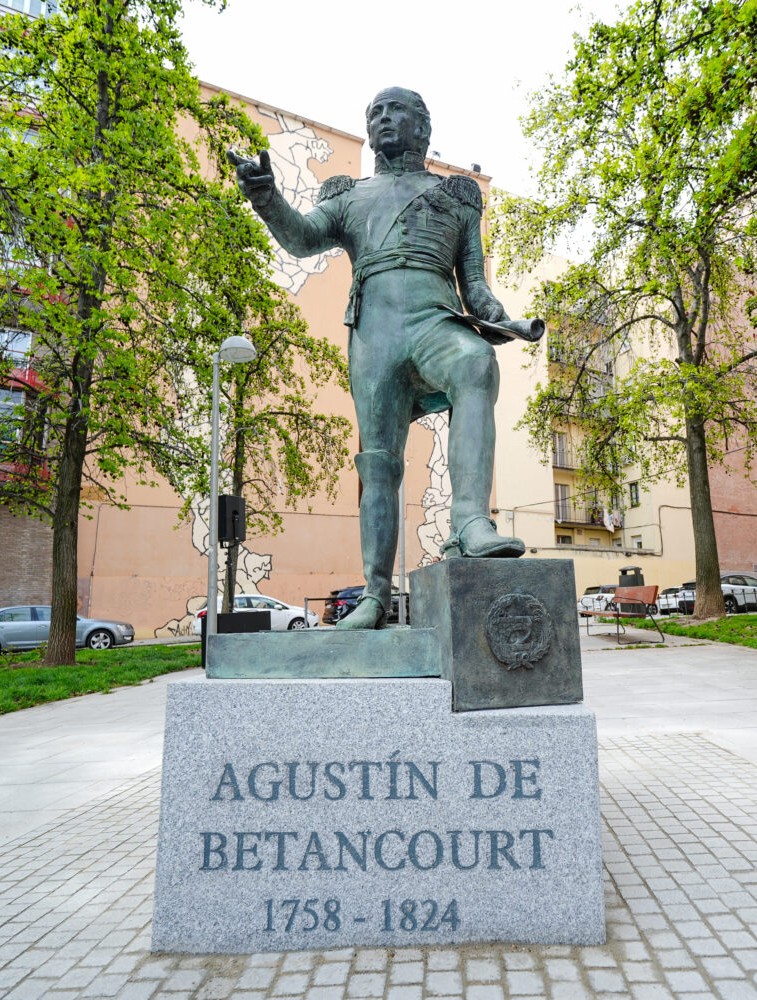
On March 27, 2026, a monument was inaugurated in Madrid in homage to the engineer Agustín de Betancourt, on the occasion of the bicentenary of the death of the distinguished engineer, which was commemorated in 2024. This sculpture, promoted by the Association of Civil Engineers (Colegio de Ingenieros de Caminos, Canales y Puertos), aims to help disseminate his legacy and inspire future generations of engineers to build, through science and public service, a more enlightened world that solves major challenges with scientific foundations.
The inauguration ceremony was attended by the Mayor of Madrid, José Luis Martínez-Almeida; the President of the Association of Civil Engineers, Miguel Ángel Carrillo; its Vice-President, Ricardo Martín de Bustamante; the Delegate for the Government Area of Culture, Tourism and Sport of the Madrid City Council, Marta Rivera de la Cruz; the Vice-Rector for Institutional Relations and Communication of the Technical University of Madrid, Marta Olea Cárdenas; as well as members of the General Council and deans of the Association’s Regional Branches.
During the ceremony, the figure of Agustín de Betancourt y Molina (Puerto de la Cruz, Tenerife, 1758 – Saint Petersburg, 1824) was remembered as one of the great engineers and inventors of the Spanish Enlightenment, founder of the Royal Corps of Civil Engineers (Cuerpo de Ingenieros de Caminos y Canales) in 1799 and of the School of Civil Engineers (Escuela de Ingenieros de Caminos y Canales) in 1802, essential institutions for the development of civil engineering in Spain. He also developed intense international activity in France and England, and in Russia he held important responsibilities in the field of infrastructure, having been summoned by Tsar Alexander I.
The sculpture has been donated to the Madrid City Council, which has provided a landscaped area at 7 Calle de Agustín de Betancourt in the district of Chamberí for its placement. The 200-kilo bronze piece on a granite pedestal has been sponsored by various institutions, including the ACS Foundation. In gratitude for this collaboration, a replica of the sculpture was received by Antonio García Ferrer, President of ACS Foundation.
Video of the presentation
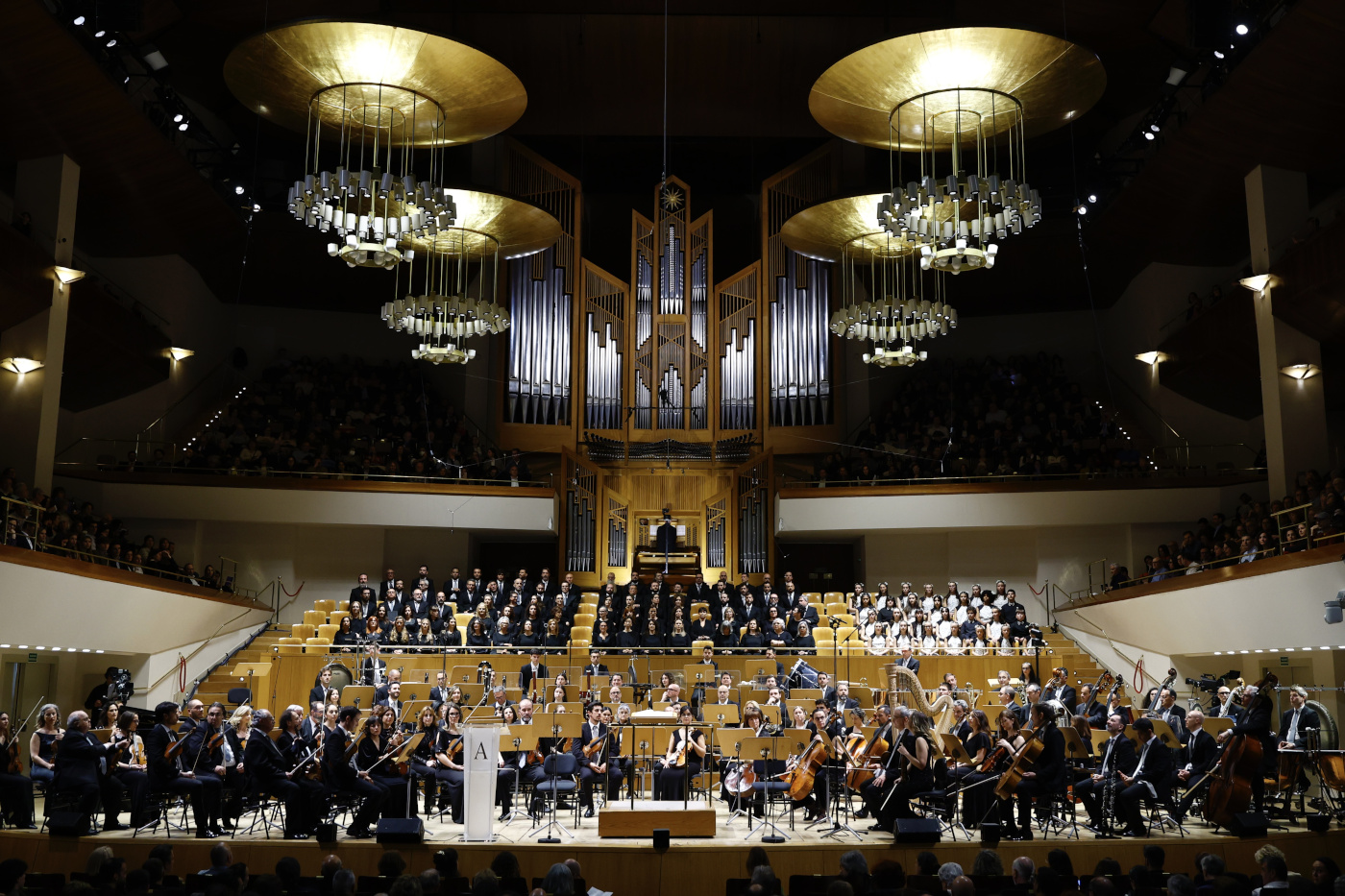
On March 6, 2026, the 24th "In Memoriam"; Concert was held at the National Music Auditorium as a tribute to the victims of terrorism, presided over by Their Majesties the King and Queen of Spain. The event took place in the presence of victims of terrorism, representatives of victims'; associations and foundations, as well as numerous authorities. During the event, the RTVE Symphony Orchestra and Choir, under the direction of Carlos Miguel Prieto, performed the War Requiem, Op. 66 by Benjamin Britten (1913–1976), with soloists Miren Urbieta-Vega (soprano), Moisés Marín (tenor), and Sebastián Peris (baritone), along with the Sinan Kay Boy Choir.
The War Requiem was premiered on May 30, 1962, as a memorial dedicated to all those who fell in armed conflicts. It is a monumental score that brings together a large orchestra, a chamber ensemble, mixed choir, boy choir, and three solo voices. The composer integrates two narrative levels into the work: the Latin liturgical text of the requiem, entrusted to the main orchestra, choir, and soprano, and the poems of the soldier and poet Wilfred Owen, who died in the final hours of World War I, performed by the tenor and baritone with an independent instrumental ensemble. Added to this dialogue is the participation of a children's choir, which symbolizes guidance towards a path of light and hope for the departed.
Organized by the Victims of Terrorism Foundation, the 24th "In Memoriam" Concert was sponsored by the National Institute of Performing Arts and Music (INAEM), RTVE, Fundación Montemadrid, the Madrid City Council, and the Ministry of the Interior, as well as other collaborating entities such as ACS Foundation.
Photo: © Casa de S.M. el Rey
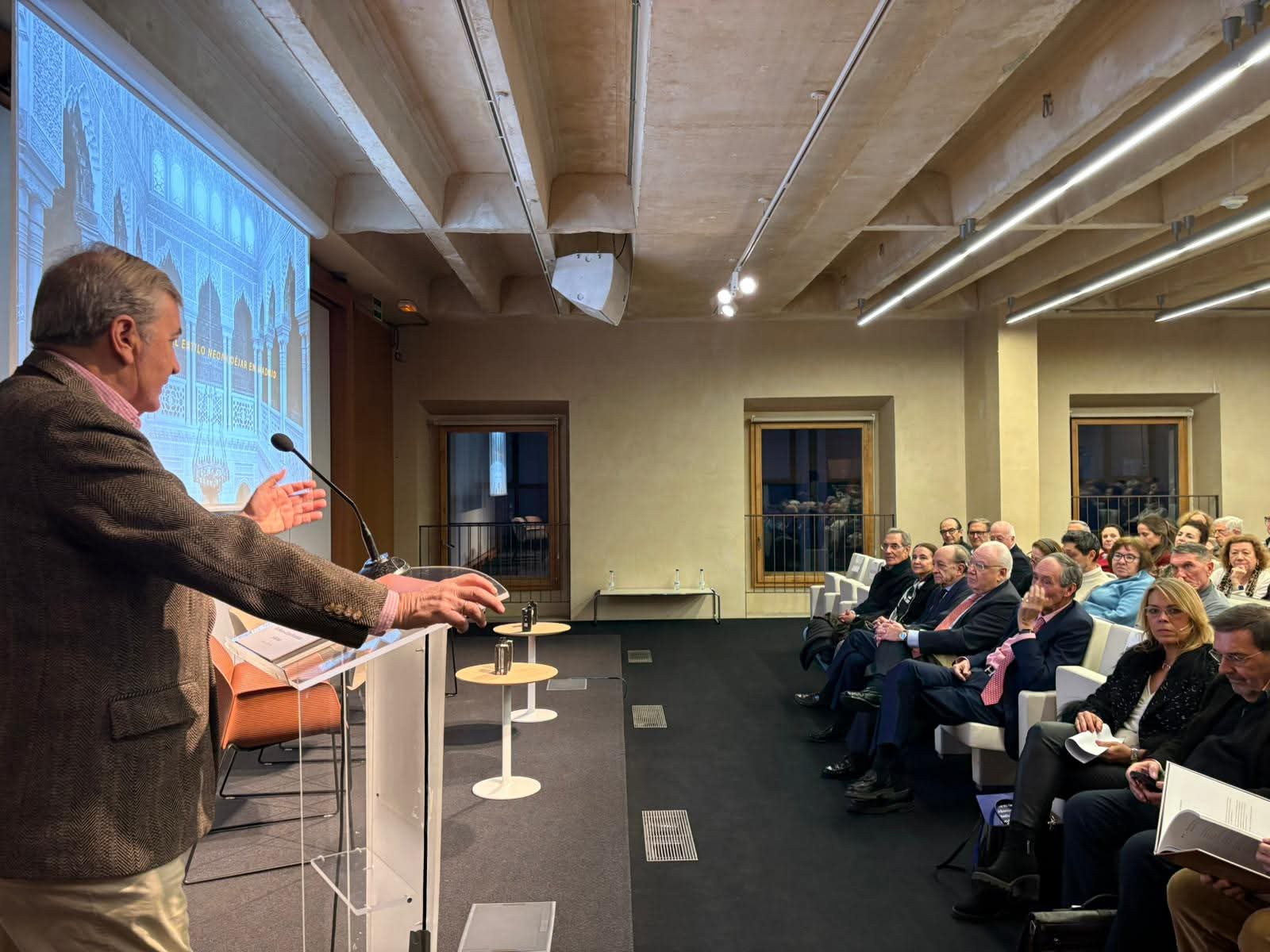
On January 8, 2026, the presentation of the new book published by ACS Foundation—A Look at the Neo-Mudéjar Style in Madrid—took place in the auditorium of the Official College of Architects of Madrid (COAM).
The event featured the participation of the Dean of COAM, Sigfrido Herráez; the President of ACS Foundation, Antonio García Ferrer; Myriam Peón, Director General of the New Urban Planning Plan of the Madrid City Council; José María Pérez Peridis, heritage communicator and expert; Elena de Mier, architect and coordinator of the publication; and José María de la Riva, geographer and author of the book.
This new publication—the 60th work on historical heritage published by the foundation—offers a rigorous and accessible introduction to one of Madrid's most unique architectural languages. It traces its evolution, highlights its main examples, and explores the cultural context that gave rise to it.
Access the digital publication here (Spanish).