News
News
On November 17, the FERO Foundation has awarded its oncology research grants, aimed at supporting scientific talent and projects that seek to accelerate the transfer of laboratory breakthroughs to patients. Among them, the XXXI FERO Grant for Young Researchers was presented, endowed with €80,000 and supported by ACS Foundation.
Dr. Miguel Fernández de Sanmamed, from CIMA and the Clínica Universidad de Navarra, has been awarded the XXXI FERO Grant for Young Researchers for his project "NEO-nano IMPACT". His research explores a novel intratumoral immunotherapy using nanoparticles to enhance neoadjuvant treatments in lung cancer.
Fernández de Sanmamed leads the Applied and Translational Onco-Immunology Group at CIMA, is a specialist in the Lung Cancer Area of the CCUN (Cancer Center Universidad de Navarra), and is ranked among the world's most cited scientists on the Highly Cited Researchers list.
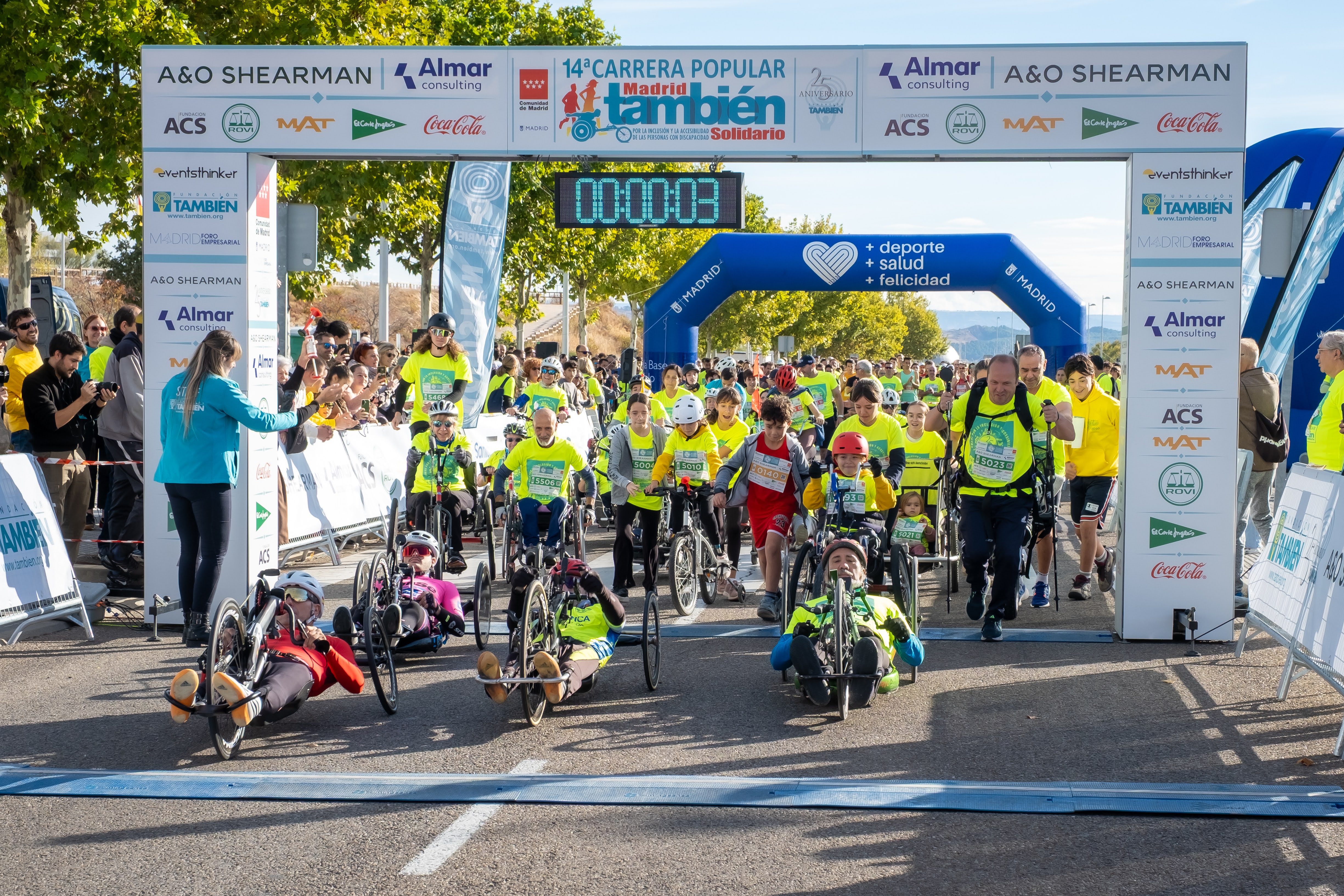
On Sunday, November 2, the XIV Madrid También Popular Race took place in Valdebebas (Madrid). Organized by También Foundation as part of its 25th Anniversary, the event was supported by the Madrid City Council, the Community of Madrid, and ACS Foundation, among others.
Under the slogan "every kilometer counts" and with Irene Villa as its ambassador, this race aims to continue promoting the full inclusion of people with disabilities and fostering educational values through adapted and inclusive sports and leisure.
The nearly 1,500 participants completed the course on handbikes, tricycles, unicycles, push-rim bikes, bicycles, and on foot, in the 10-kilometer, 5-kilometer, and "Kilometer of Inclusion" categories. The latter saw the participation of children, seniors, families, and pets, regardless of their physical condition or age.
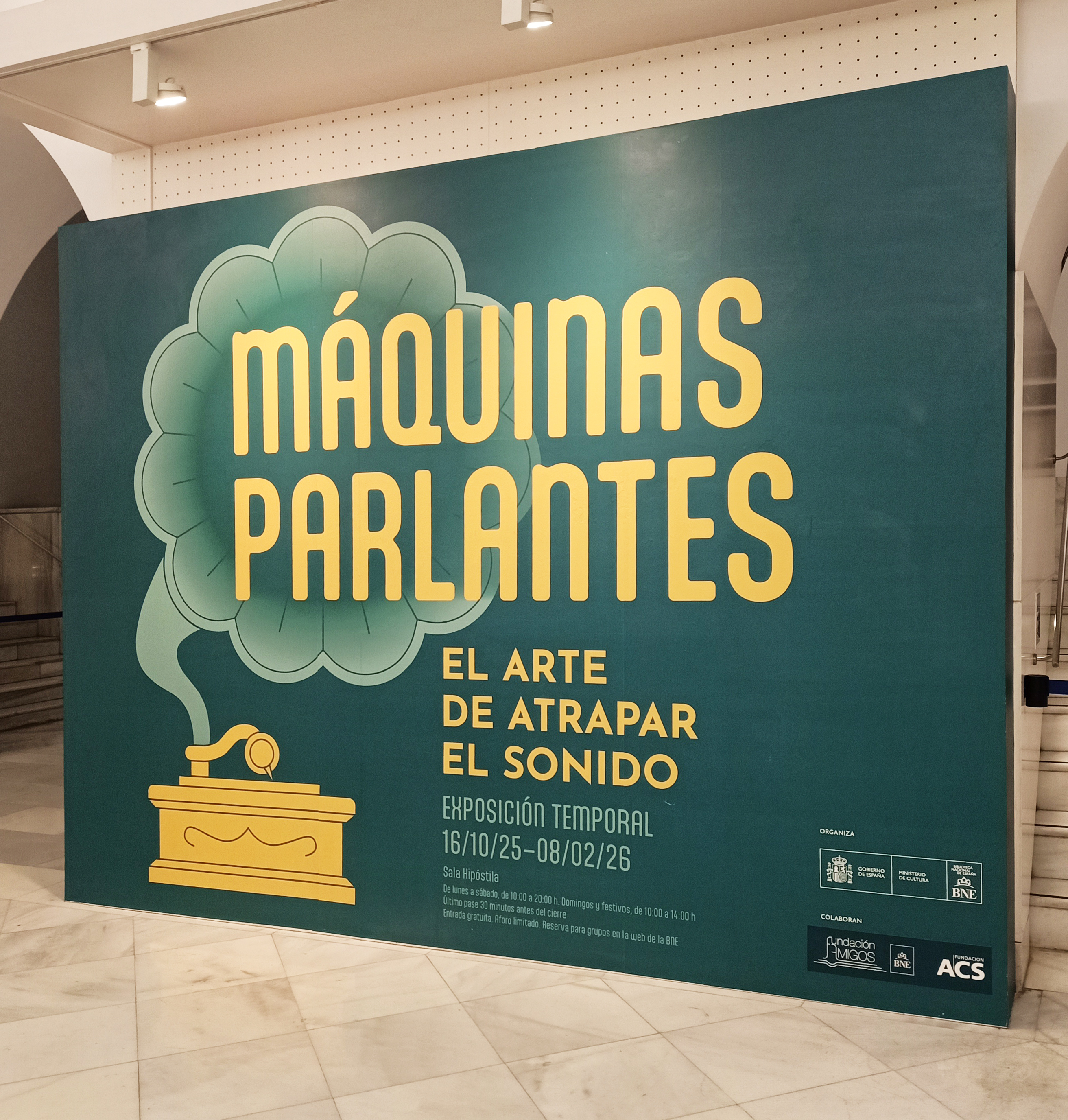
The exhibition Talking Machines. The Art of Capturing Sound can be seen at the National Library of Spain (BNE) from October 16, 2025, to February 8, 2026. It invites visitors to discover the BNE's exceptional sound heritage through the evolution of sound technology, bringing the history of sound recording and reproduction closer to both the curious and researchers.
"Talking Machines" was the term used to describe the first devices capable of recording and reproducing sound in the late 19th century. The expression captured the fascination with inventions such as the phonograph or gramophone, which made it possible to listen time and again to what was once ephemeral. These devices forever transformed the way people interacted with voice and music, launching a cultural and technological movement that opened new spaces for gathering, reinvented the music experience, and radically changed daily life
The exhibition offers a journey through this sound revolution and displays historical devices. It invites reflection on the very act of listening, showcasing how phonograph parlors, homes, town squares, or outdoor gatherings shaped new ways of sharing music.
Organized by the National Library of Spain, it is held in collaboration with the Friends of the BNE Foundation and ACS Foundation.
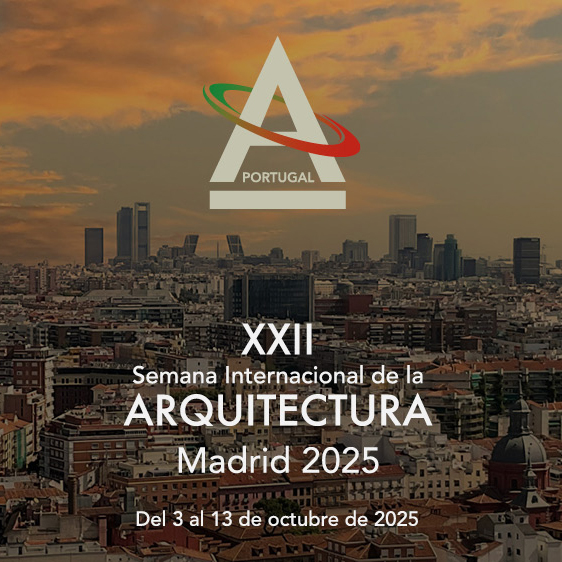
From October 3 to 13, 2025, the activities of the XXII International Architecture Week took place. Organized by COAM Architecture Foundation and the Official College of Architects of Madrid, the event aimed to bring architecture and architectural heritage closer to the public. This edition featured Portugal as the guest country.
The program included exhibitions, conferences, tours, children's activities and guided visits. Thanks to the sponsorship of ACS Foundation, free visits to more than 60 buildings and over 40 itineraries were scheduled for all audiences. These are open-door days at emblematic institutional headquarters that are not usually open to the public, as well as thematic itineraries in different areas of the city.
For the 2025 edition, the program incorporated visits to the Defense General Headquarters building, the Air Ministry, and new itineraries such as "Madrid in the Movies" and "Villaverde Alto" among others.
Complete information at https://www.semanaarquitecturamadrid.com/
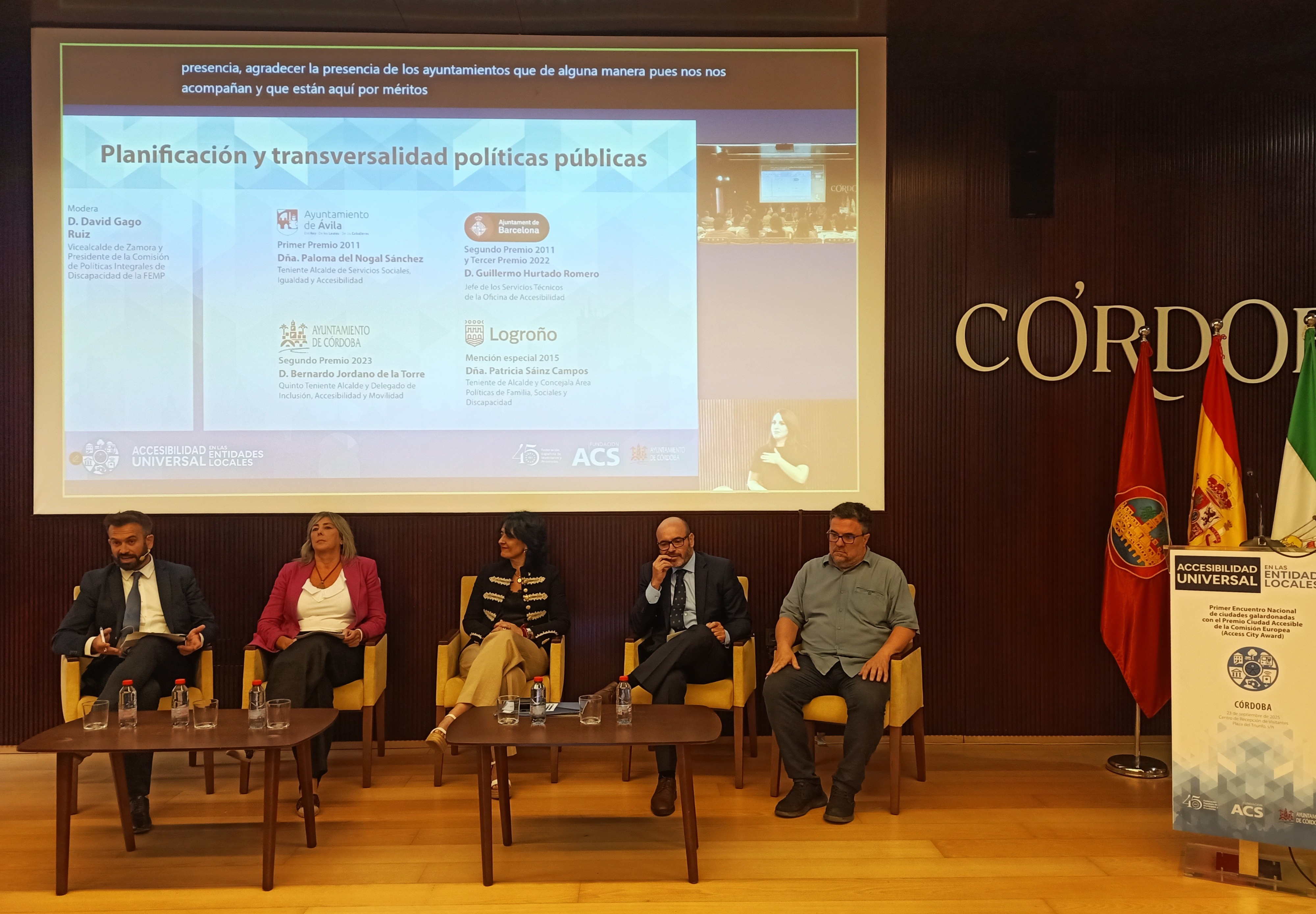
On September 23, 2025, the First National Meeting of cities awarded with the Access City Award took place in Córdoba. The event was organized by the Spanish Federation of Municipalities and Provinces (FEMP) and the Córdoba City Council, with the collaboration of ACS Foundation.
The meeting brought together the 18 Spanish cities that have received an award or special mention from the Access City Award. These awards have been presented since 2010 by the European Commission and the European Disability Forum, aiming to recognize cities that have demonstrated an exemplary commitment to universal accessibility as a driver of urban transformation towards fairer, safer, and more accessible environments for all.
The inauguration featured speeches by Mr. José María Bellido Roche, Mayor of Córdoba; Mr. Luis Martínez-Sicluna Sepúlveda, Secretary General of the FEMP; Mr. Luis Cayo Pérez Bueno, President of the National CERMI; and Mr. José Mayor Oreja, Director of ACS Foundation.
During the event, the participating city councils were able to exchange experiences and progress made since receiving the award or mention, highlighting their leadership in promoting universal accessibility.
The meeting culminated with the reading of the Córdoba Declaration for Universally Accessible Cities (spanish), which emphasizes the commitment of the participating entities to accessibility as a cross-cutting axis of their public policies, fostering the participation of people with disabilities and their representatives in the design of accessible cities.
Awarded Spanish Cities:
- Ávila: 2011, 1st Prize
- Barcelona: 2011 / 2022, 2nd and 3rd Prize
- Santander: 2012, 2nd Prize
- Terrassa: 2012, Special Mention
- Bilbao: 2013, Special Mention
- Pamplona: 2013, Special Mention
- Burgos: 2014, Special Mention
- Málaga: 2014, Special Mention
- Arona: 2015, Special Mention
- Logroño: 2015, Special Mention
- Lugo: 2017, Special Mention
- Vigo: 2019, Special Mention
- Castellón de la Plana: 2020, 2nd Prize
- Palma: 2022, Special Mention
- Córdoba: 2023, 2nd Prize
- Mérida: 2023, Special Mention
- San Cristóbal de La Laguna: 2024, 1st Prize
- Cartagena: 2025, 3rd Prize